

Reverse mortgage LOS workflow exception inventory
Prepare distinct exception scenarios for an LOS evaluation with a reusable inventory and a fictional replacement-document recovery case.
In this article
A reverse mortgage LOS workflow exception inventory turns unusual file events into specific questions for a software evaluation. For each exception, record the starting state, the disruption, the receiving owner, and the evidence that would show recovery. Build this inventory before choosing which cases belong in a demonstration.
A loan origination system (LOS) evaluation can otherwise repeat the same straightforward file. This worksheet helps operations and technology teams select different failure paths. It is a suggested evaluation artifact, not a statement about ReversePilot capabilities or a lender's required procedures.
Build a reverse mortgage LOS workflow exception inventory
Start with a normal handoff from your own process map. Then ask what could make that handoff ambiguous: a replacement document, an unanswered request, a correction after review, or an unavailable owner. Keep each exception narrow enough to demonstrate without introducing several unrelated changes.
The origination workflow overview supplies lifecycle context. This inventory adds the interrupted path and recovery evidence, rather than another description of the normal sequence.
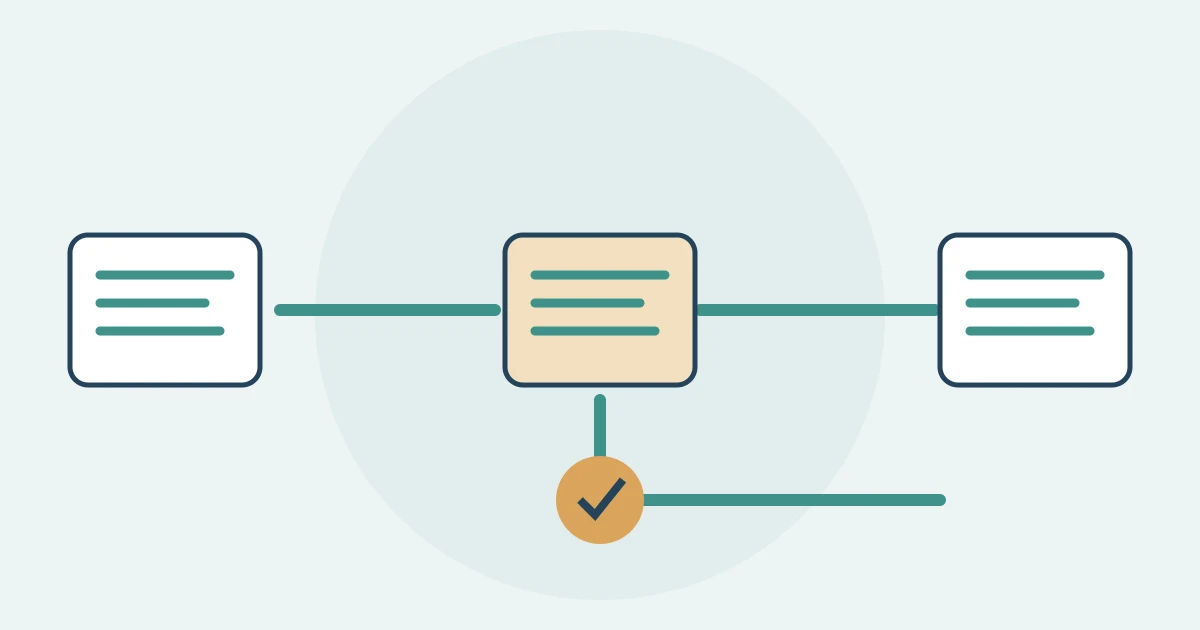
- Changed input: a replacement arrives after someone reviewed the earlier copy.
- Uncertain external result: an order response is missing, although the request may have arrived.
- Unavailable owner: the assigned person cannot receive the next task.
- Conflicting state: a completed task still depends on information that changed.
Describe the operational question before naming a desired feature. “Can the receiving reviewer identify the current document?” leaves room to inspect different implementations. “Show the green button” assumes a design and can miss an equally usable recovery path.
Copy these blank inventory fields
Use one record per exception. Keep the scenario definition separate from the result observed later. A vendor explanation can help prepare a test, but it is not evidence that the scenario completed.
| Field | Blank prompt to complete | Purpose |
|---|---|---|
| Exception ID and stage | [ID]; [handoff being interrupted] | Keep follow-ups tied to one event |
| Starting state and trigger | [existing records]; [one changed fact] | Make the case repeatable |
| Owner and receiving role | [current owner]; [next role]; [coverage owner] | Expose ownership gaps |
| Recovery evidence | [visible result]; [downstream check] | Define what would answer the question |
| Dependency and disposition | [vendor or internal dependency]; [decision owner] | Keep an unresolved case actionable |
Add an observed-result field only when you run the scenario. Record the environment, configuration assumptions, evidence reference, and reviewer. Use synthetic documents and invented file identifiers; do not paste borrower records into an evaluation worksheet.
Keep this inventory beside the reverse mortgage LOS buyer guide. The inventory identifies candidate disruptions; your evaluation plan selects which ones the meeting will cover.
Work through a fictional replacement-document exception
Consider EX-07, an entirely fictional evaluation file. A processor has submitted document A for review. Before the reviewer acts, a replacement document B arrives, and the original processor becomes unavailable. The evaluation question is whether the receiving team can identify the current evidence and the next accountable owner.
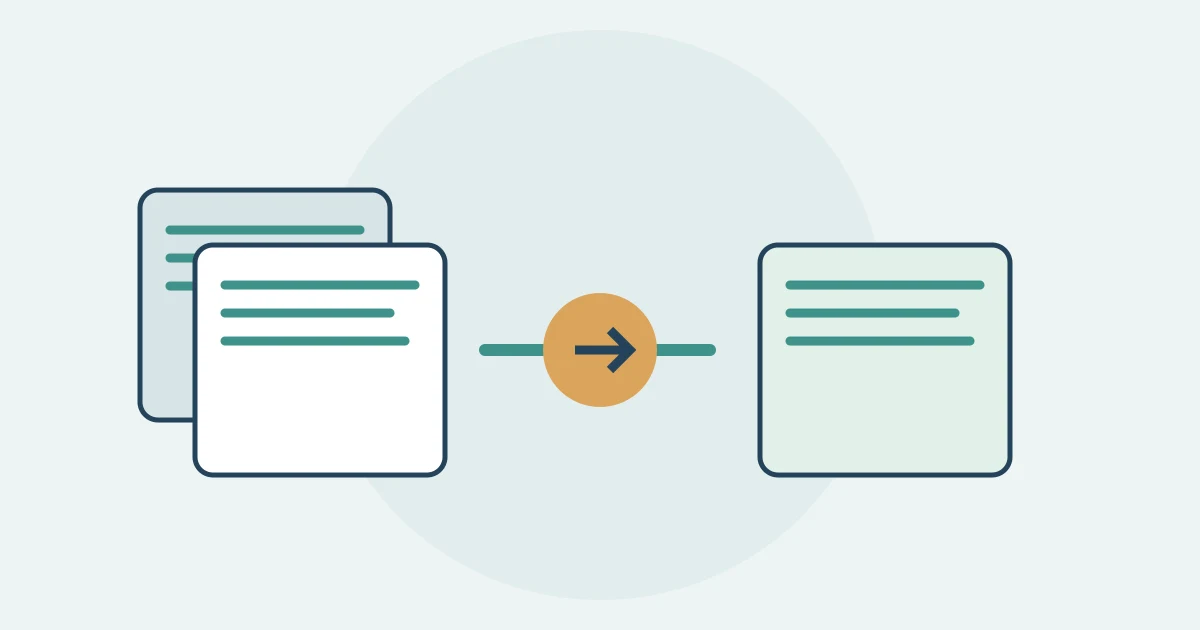
The team defines its expected result before the demonstration. The reviewer can distinguish A from B, see that B still awaits review, and identify the coverage processor. These are chosen business acceptance expectations for this example, not assertions about a vendor or underwriting requirements.
- Starting state: A is submitted; its review remains open.
- Trigger: B replaces A while the original processor is unavailable.
- Requested proof: the receiving role identifies B, its outstanding review, and the coverage owner.
- Downstream check: the next handoff does not silently treat A's earlier status as B's review result.
In the fictional demonstration, the presenter shows B in the document list but does not change to the receiving role. The inventory records “partly observed: replacement visible; receiving ownership unproven.” It does not record a pass merely because the upload succeeded.
The follow-up is equally specific: the operations evaluator owns EX-07 and requests a receiving-role walkthrough using the same fictional file. If coverage depends on an internal assignment decision, record that separately from any vendor configuration question. One missing answer should not become a vague finding that “documents do not work.”
Choose exceptions that exercise different recovery paths
Compare proposed rows before adding more. Two document replacements may test the same recovery path, while a missing order acknowledgment tests uncertainty about an external action. Select cases that expose different ownership or state questions.
| Candidate | Distinct question | Evidence to request |
|---|---|---|
| EX-07: replacement plus coverage | Who reviews the current copy? | Receiving view and current review state |
| EX-08: missing order response | Is the prior request unresolved? | Request reference, observed status, and next owner |
| EX-09: corrected input after review | Which later outputs need inspection? | Changed value and affected-output review |
For EX-08, ask how a tester would establish the prior request's state before considering another submission. Do not assume a retry is safe or supported. For EX-09, let your qualified policy owner define the affected business checks rather than inventing calculation or eligibility rules.
Broader evaluation context appears in the Federal Deposit Insurance Corporation's community-bank third-party risk management guide. It is a voluntary resource for community banks, not a reverse mortgage software checklist. The inventory here is an editorial tool, not a regulatory standard.
Carry unresolved questions into controlled testing
End each demonstrated exception with a disposition: observed, partly observed, not demonstrated, or outside the agreed scope. Preserve the evidence and the remaining question. An explanation of planned work belongs beside the result, not inside an “observed” label.
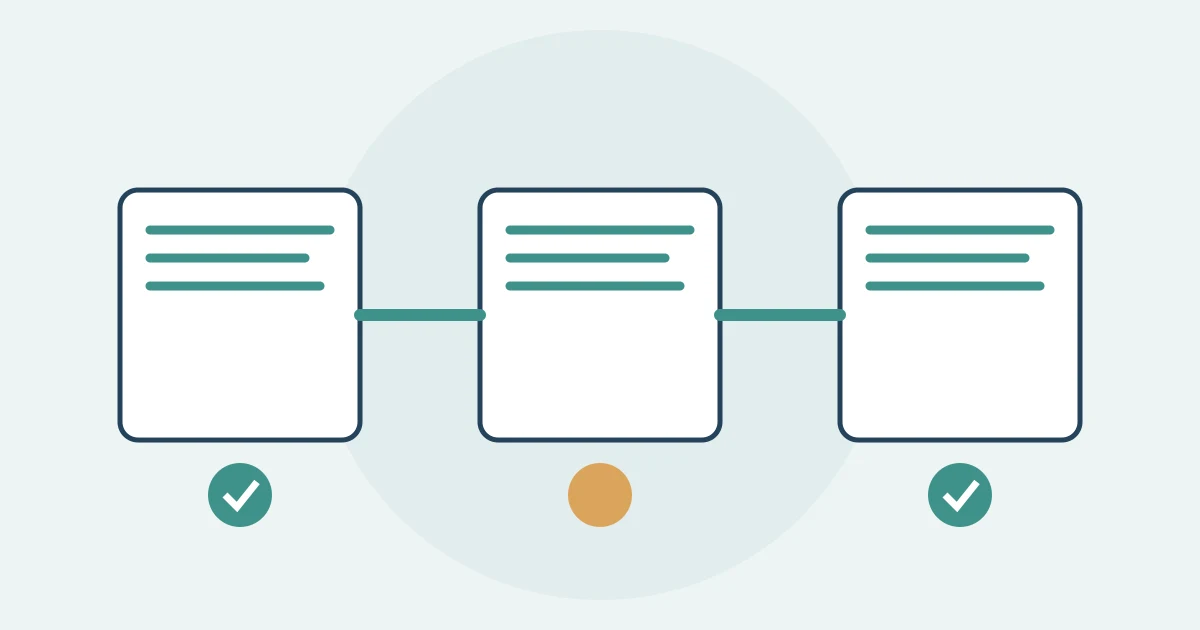
For the fictional EX-07, the next evidence request remains open until the receiving-role walkthrough answers the ownership question. If a workaround is proposed, record who would perform it and what information they need. Do not infer ongoing support terms or implementation effort from a demonstration.
- Save the scenario and the exact configuration assumptions.
- Link each evidence item to its exception ID.
- Name the owner of every unanswered question.
- Carry selected cases into controlled software acceptance testing.
Use the same starting state when comparing results. Changing the file, the role, and the expected outcome together makes it difficult to tell what resolved the original concern.
Key takeaways
- Inventory interrupted handoffs before selecting demo scenarios.
- Define recovery evidence and receiving ownership for each exception.
- Keep observed behavior separate from explanations and dependencies.
- Use synthetic cases and preserve unresolved questions for testing.
Bring your highest-priority exception inventory when you request a ReversePilot demonstration.